
Understanding Industrial and Commercial Cladding Services Cladding is a crucial component in the construction and…
Single Ply flat roofing systems
Factors to Consider When Choosing a Roofing System:
- Cost: Initial installation cost and long-term maintenance expenses.
- Durability: Ability to withstand local climate conditions and potential for wear and tear.
- Insulation: Thermal performance and energy efficiency.
- Maintenance: Frequency and complexity of required upkeep.
- Environmental Impact: Eco-friendliness of materials and potential for energy savings.
- Installation: Complexity and time required for installation.
Selecting the right roofing system for a large warehouse or industrial building requires careful consideration of these factors to ensure the best long-term investment for the building’s specific needs and conditions.

Advantages of Single Ply Flat Roofing Systems for Large Warehouse Roofs
Single ply flat roofing systems offer several advantages for large warehouse roofs, making them a popular choice among building owners and contractors. These systems, typically comprising a single layer of membrane made from materials such as PVC, TPO, or EPDM, provide excellent performance and long-term benefits.
One of the primary advantages of single ply flat roofing systems is their durability. These membranes are highly resistant to ultraviolet (UV) radiation, ozone, and chemical exposure, which is crucial for maintaining the integrity of the roof over time. This resistance ensures that the roofing system can withstand harsh weather conditions, including extreme temperatures and heavy precipitation, without deteriorating. Consequently, the lifespan of a single ply flat roof can exceed 20 years with proper maintenance, reducing the need for frequent replacements and repairs.
Additionally, single ply flat roofing systems are known for their ease of installation. The lightweight nature of the membranes makes them easier to handle and transport, which can significantly reduce installation time and labour costs. Moreover, the membranes can be prefabricated to the specific dimensions of the warehouse roof, further streamlining the installation process. This efficiency is particularly beneficial for large warehouse roofs, where extensive roofing areas need to be covered quickly and effectively.
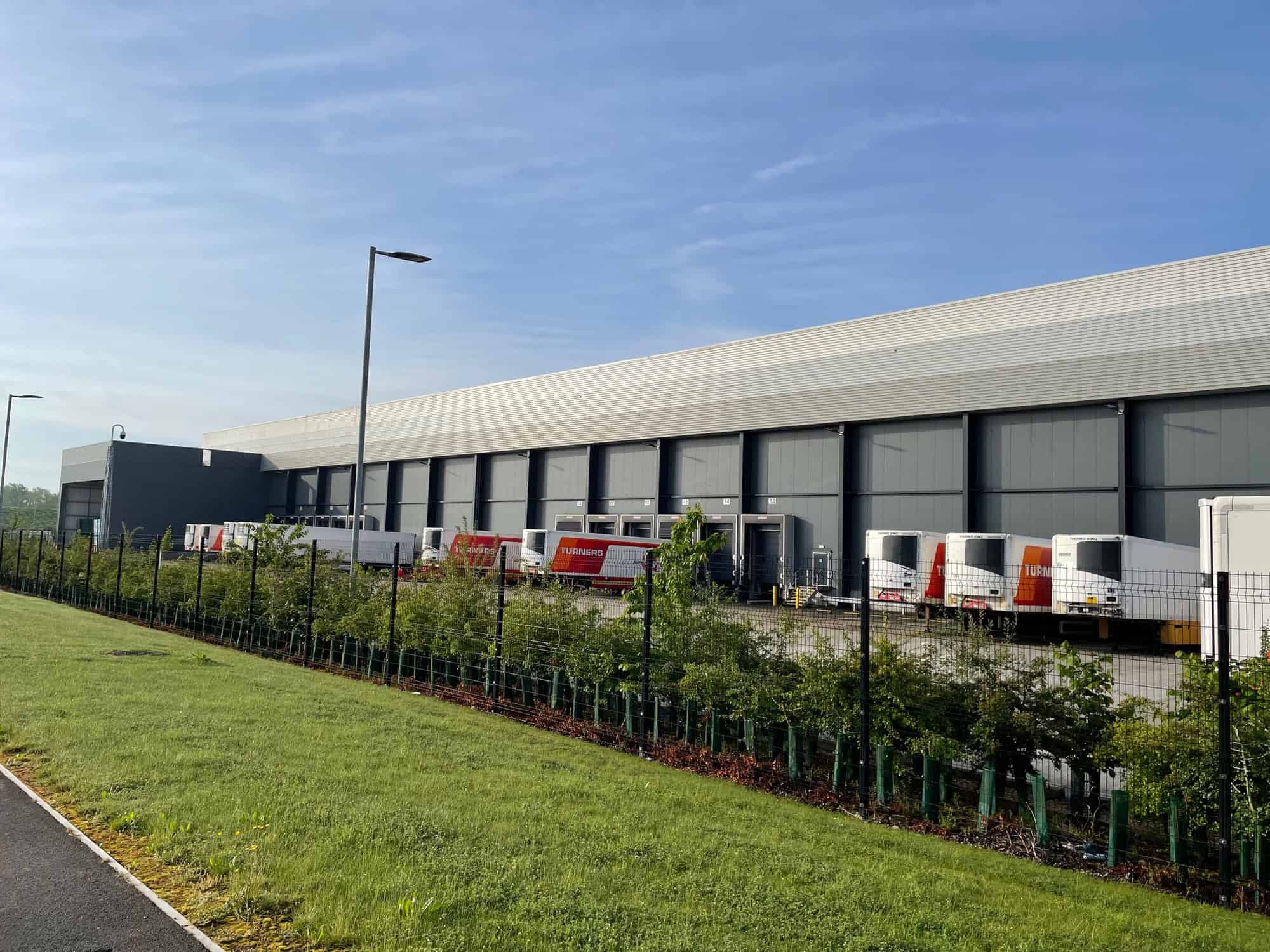
Single Ply flat roofing systems offer energy efficiency and improved waterproofing
Energy efficiency is another key advantage of single ply flat roofing systems. Many single ply membranes are available in light-coloured or reflective finishes, which can help to reduce heat absorption and lower the building’s overall energy consumption. By reflecting more sunlight and heat, these roofing systems can help maintain a cooler indoor environment, reducing the need for air conditioning and thus lowering energy bills. This characteristic is especially advantageous for large warehouses, which can incur substantial energy costs due to their vast indoor spaces.
Furthermore, single ply flat roofing systems offer superior waterproofing capabilities. The membranes are typically installed in large, continuous sheets with minimal seams, reducing the risk of leaks. Additionally, the materials used in these membranes are highly flexible, allowing them to accommodate building movements and temperature fluctuations without compromising their waterproofing properties. This flexibility ensures that the roof remains watertight and protects the warehouse’s contents from water damage, which is critical for maintaining the integrity of stored goods.
In terms of sustainability, single ply flat roofing systems are often more environmentally friendly compared to traditional roofing materials. Many single ply membranes are recyclable, and some manufacturers produce membranes with a high percentage of recycled content. This eco-friendly aspect can help warehouse operators meet sustainability goals and reduce their environmental footprint. Additionally, the energy efficiency of these roofing systems can contribute to lower greenhouse gas emissions, further enhancing their environmental benefits.
Lastly, single ply flat roofing systems provide design flexibility. They can be adapted to various roof shapes and sizes, making them suitable for complex roof designs commonly found in large warehouse structures. This adaptability allows architects and builders to create functional and aesthetically pleasing roofs that meet specific project requirements.
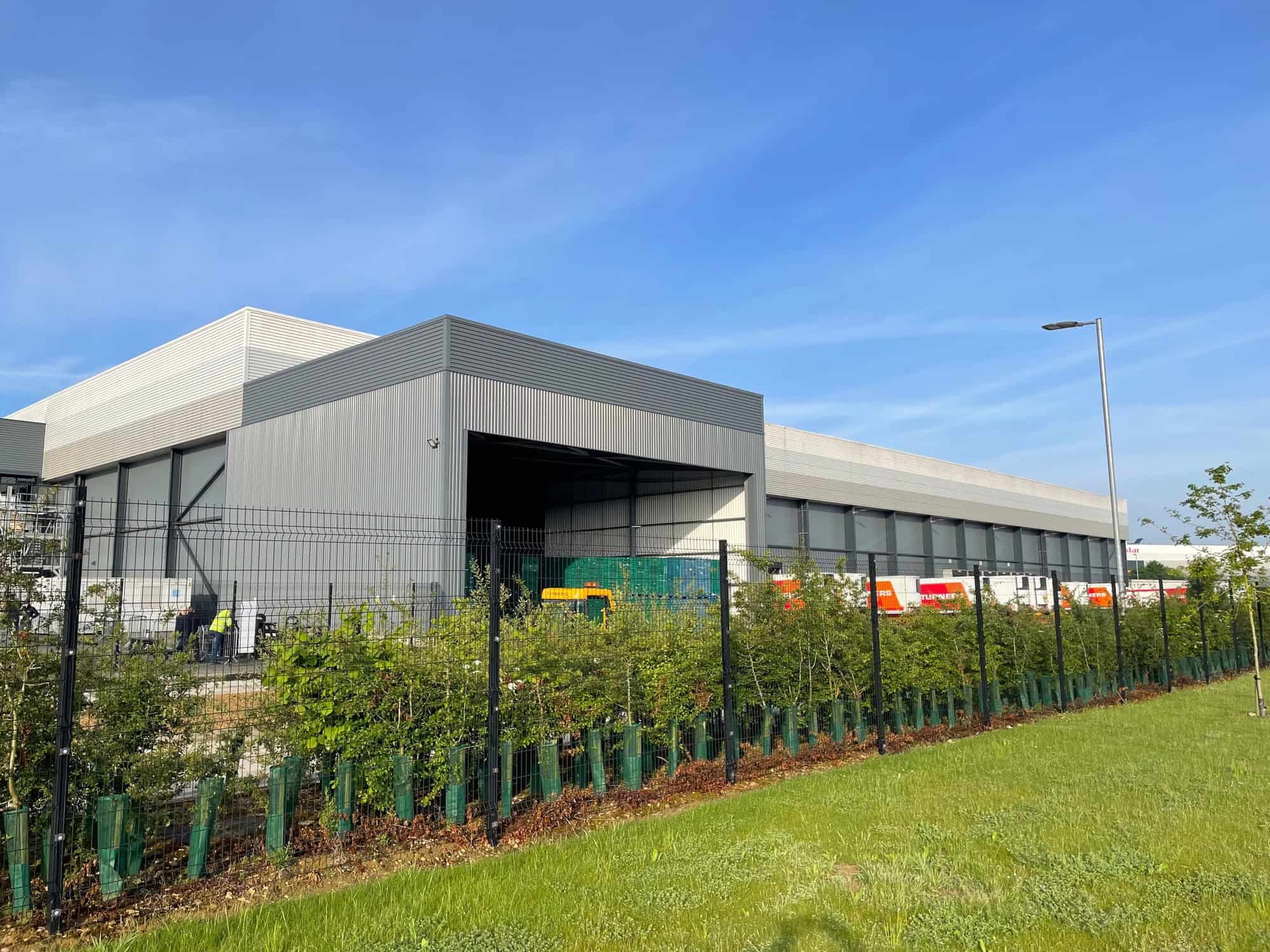
Alternatives to single-ply flat roofing systems
When considering roofing options for a large warehouse, it is important to evaluate the alternatives to single-ply flat roofing systems. Each option has its own set of advantages and drawbacks based on factors such as cost, durability, maintenance, and insulation properties. Here are several alternatives:
1. Built-Up Roofing (BUR)
- Description: This is a traditional roofing system composed of multiple layers of bitumen (asphalt or tar) and reinforcing fabrics.
- Advantages: Highly durable, excellent waterproofing, good insulation properties, long lifespan.
- Drawbacks: Heavy, labour-intensive to install, can be costly, requires regular maintenance.
2. Modified Bitumen Roofing
- Description: Similar to BUR but incorporates polymer-modified bitumen for enhanced performance.
- Advantages: Improved flexibility and durability, resistant to extreme weather, easier to install than BUR.
- Drawbacks: Can still be heavy, may require periodic maintenance.
3. Metal Roofing
- Description: Made from materials such as steel, aluminium, or copper, and available in various styles including standing seam, corrugated panels, and metal tiles.
- Advantages: Extremely durable, long lifespan (50+ years), low maintenance, energy-efficient (reflective coatings available).
- Drawbacks: Higher upfront cost, can be noisy during rain or hail, requires proper insulation to prevent heat loss/gain.
4. Spray Polyurethane Foam (SPF) Roofing
- Description: A seamless, spray-applied roofing system that consists of a foam layer covered with a protective coating.
- Advantages: Excellent insulation properties, seamless (reduces leaks), lightweight, quick installation.
- Drawbacks: Requires professional installation, sensitive to weather conditions during application, needs periodic recoating.
5. EPDM Rubber Roofing
- Description: A type of single-ply roofing membrane made from ethylene propylene diene monomer (EPDM) rubber.
- Advantages: Durable, resistant to UV radiation and weathering, relatively easy to install, low maintenance.
- Drawbacks: Limited colour options (typically black or white), can be prone to punctures if not properly protected.
6. TPO (Thermoplastic Olefin) Roofing
- Description: A single-ply roofing membrane that combines the benefits of EPDM and PVC roofing.
- Advantages: Durable, energy-efficient (reflective surface), resistant to algae and debris build-up, easy to install.
- Drawbacks: Newer technology with less long-term data available, quality can vary between manufacturers.
7. PVC Roofing
- Description: A single-ply roofing membrane made from polyvinyl chloride (PVC).
- Advantages: Highly durable, resistant to chemicals and fire, reflective surface reduces energy costs, excellent waterproofing.
- Drawbacks: Higher cost, can shrink over time, potential environmental concerns due to plastic content.
8. Green Roofs
- Description: Roofs that are partially or completely covered with vegetation and a growing medium, planted over a waterproof membrane.
- Advantages: Provides insulation, reduces stormwater runoff, enhances biodiversity, improves air quality, can extend roof life.
- Drawbacks: High initial cost, structural support required, regular maintenance needed, potential for leaks if not properly installed.
9. Shingle Roofing
- Description: Commonly used in residential buildings, shingles can also be used for warehouse roofs. Options include asphalt, wood, slate, and metal shingles.
- Advantages: Aesthetically pleasing, easy to install, various materials and colours available.
- Drawbacks: Shorter lifespan compared to other commercial roofing options, higher maintenance, not ideal for flat roofs.
10. Concrete Roofing
- Description: Utilises reinforced concrete for roofing, typically seen in industrial or high-traffic areas.
- Advantages: Extremely durable, fire-resistant, low maintenance, excellent thermal mass.
- Drawbacks: Very heavy (requires strong structural support), expensive to install, potential for cracking.
Advantages of single ply flat roofing systems
Single ply flat roofing systems offer numerous advantages for large warehouse roofs, including durability, ease of installation, energy efficiency, superior waterproofing, sustainability, and design flexibility. These benefits make them a cost-effective and reliable choice for protecting and enhancing the performance of large warehouse buildings.
View and download the 2024 Rock Roofing brochure
Related Posts


